February 4, 2026
As the digital world accelerates, design and architecture turn back to what is real – now more than ever. Human experience, material authenticity, and spaces meant to be felt, not just seen, take centre stage.
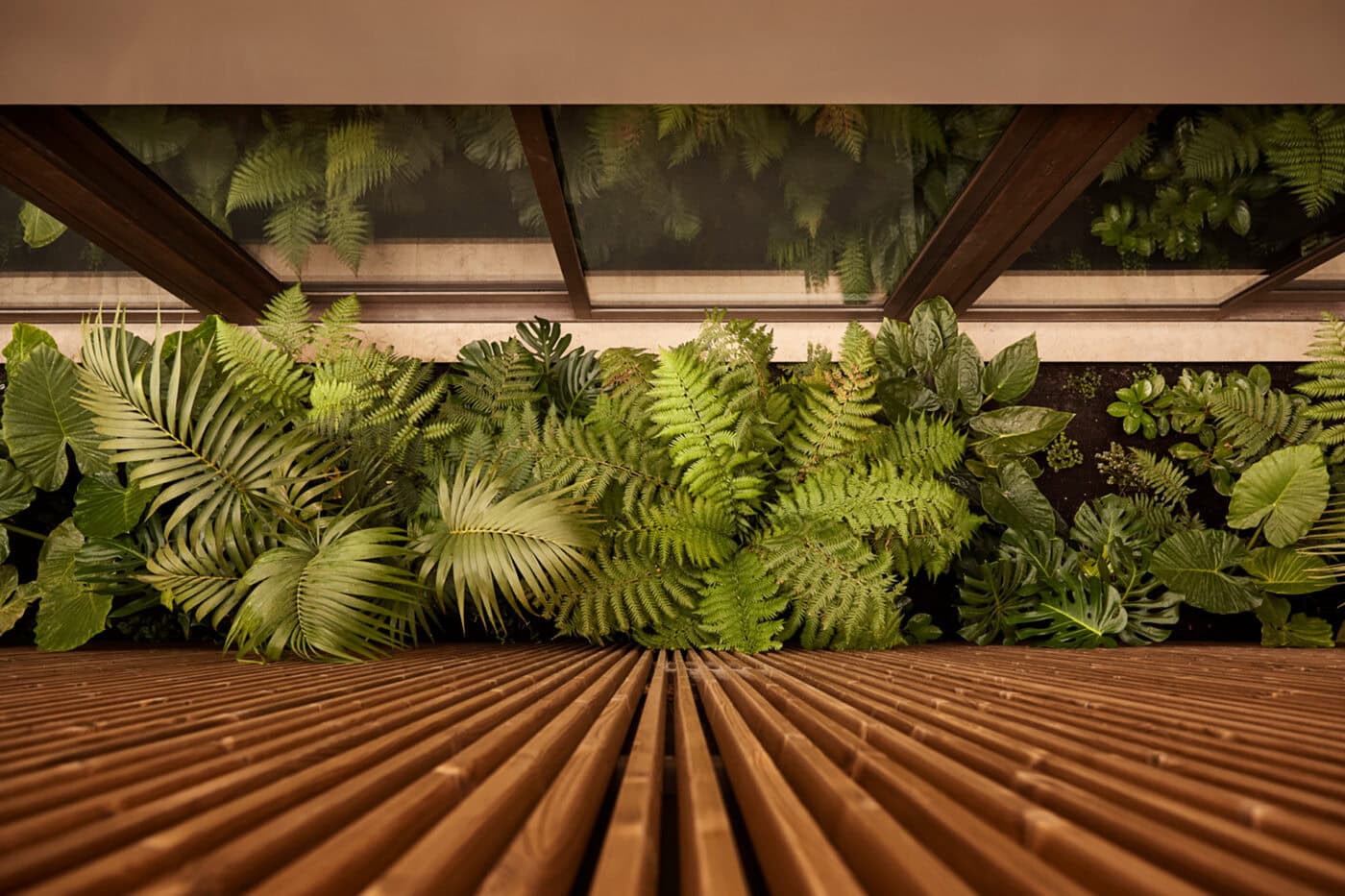
Artificial intelligence and data-driven systems are becoming deeply embedded in the way we live and experience the spaces around us. From optimisation tools to virtual environments, the digital world continues to expand – offering efficiency, speed, and new possibilities. Yet as technology accelerates, the need for balance becomes increasingly clear.
Human beings are not purely rational or digital by nature. We seek connection, comfort, and meaning through physical experience – through the spaces we touch, see, hear, and move through every day. Architecture and design trends respond by shifting focus back to what makes spaces feel human: materiality, sensory depth, and emotional connection.
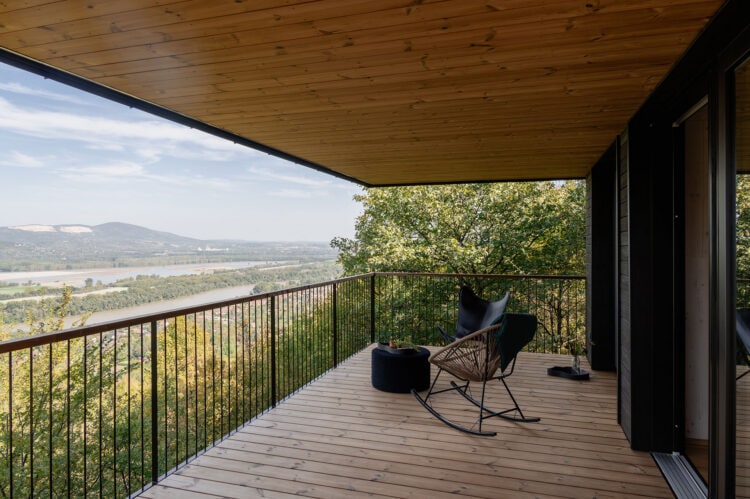
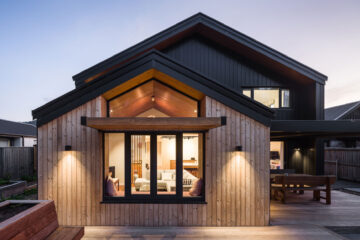
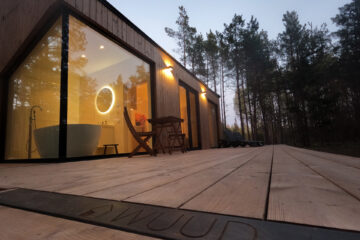
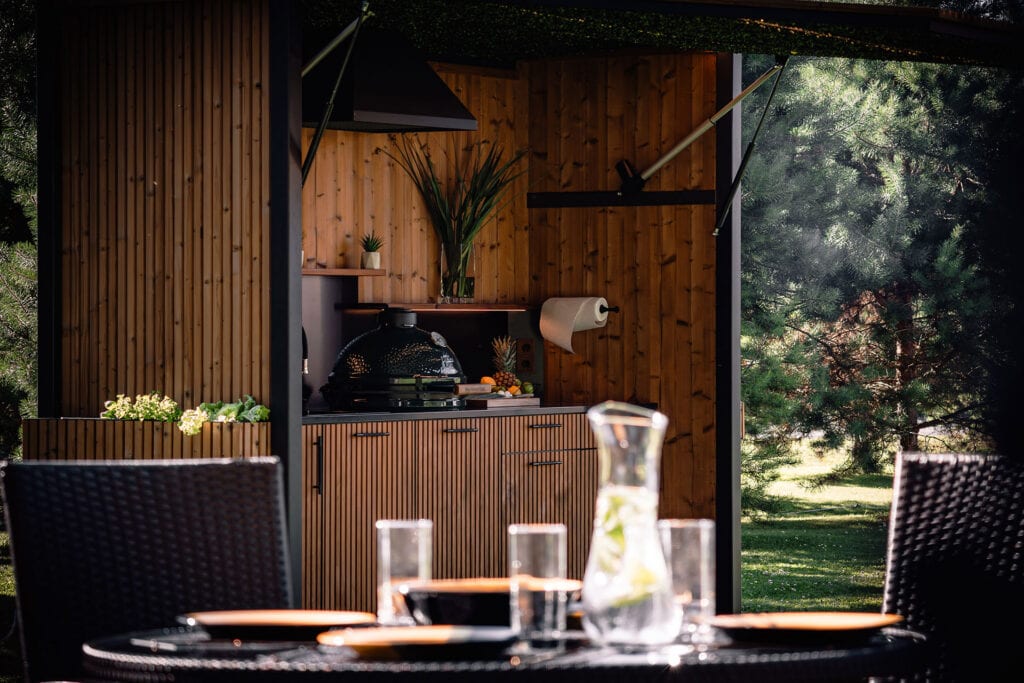
As daily life becomes increasingly screen-based, physical connection to nature grows in importance. Architecture responds by dissolving the boundary between inside and outside, creating terraces, courtyards, and transitional zones that extend living spaces into the outdoors.
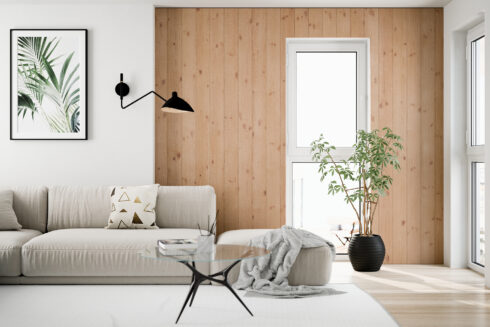
Natural wood supports this continuity, bridging interior and exterior with warmth, texture, and material coherence. Extended wooden ceilings that continue as soffits, screened terraces, or garden retreats create outdoor spaces with the comfort and intimacy of a living room – while remaining immersed in lush greenery and natural light.
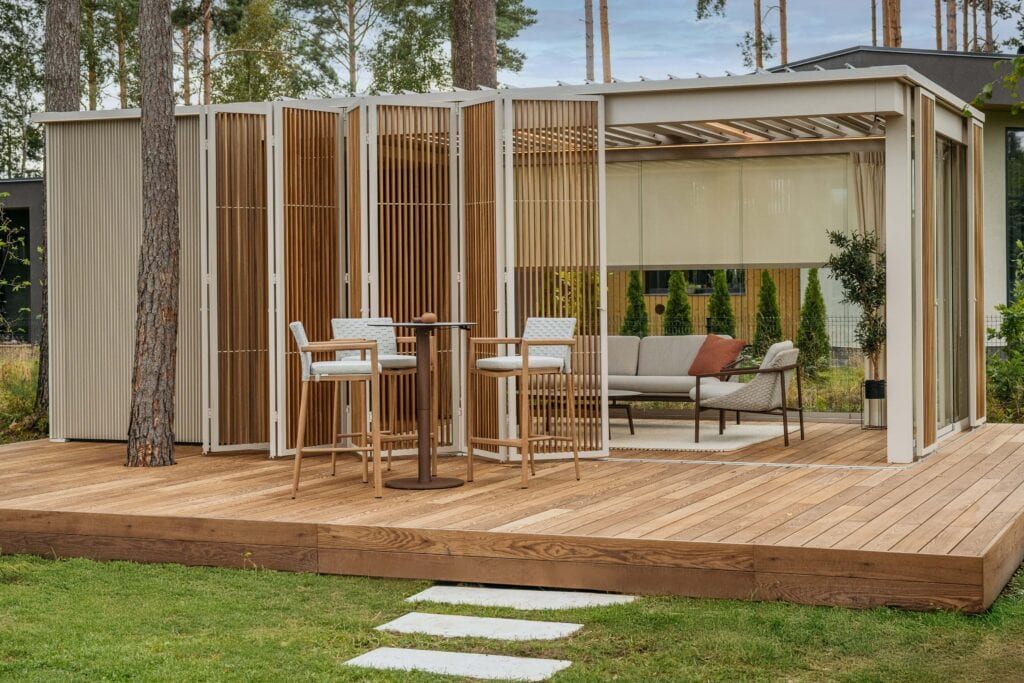
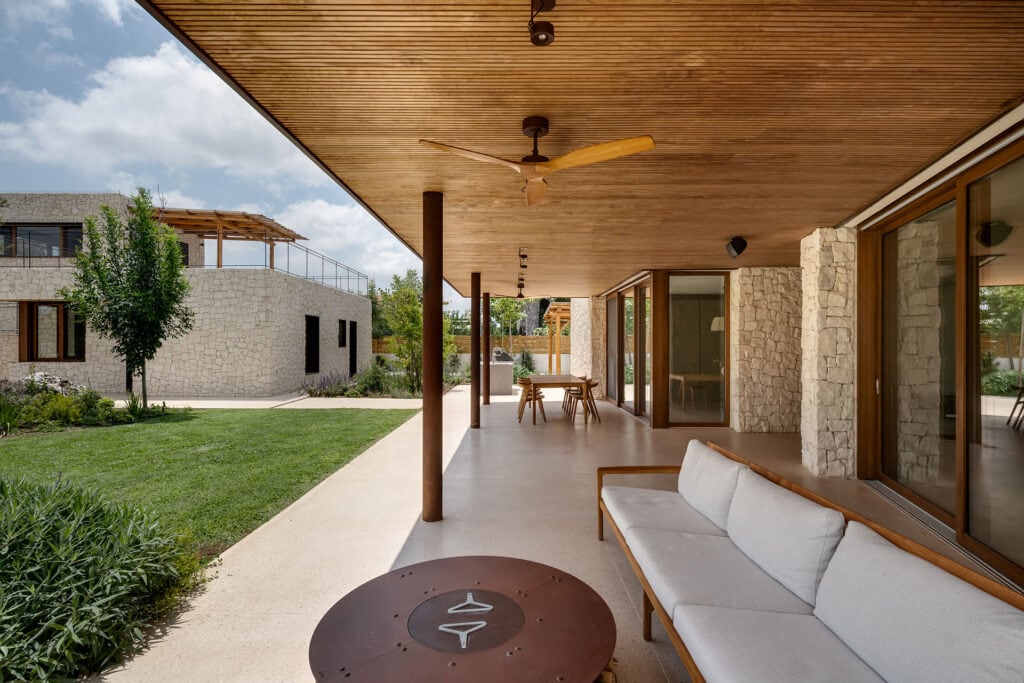
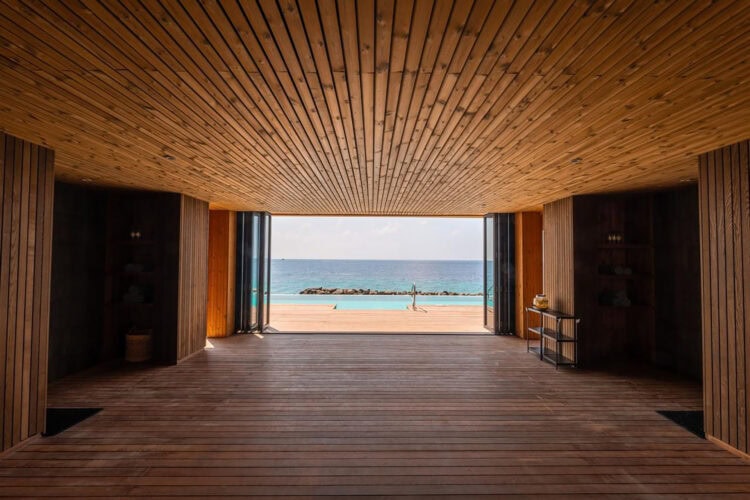
As the lines between the digital and physical continue to blur, architecture responds by engaging the senses. Texture, acoustics, warmth, light, and material tactility become essential design tools – creating environments that cannot be replicated on a screen.
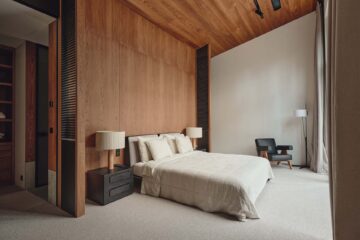
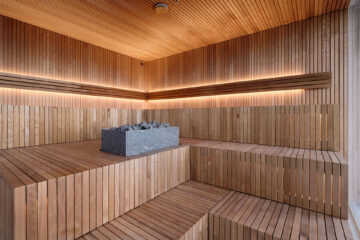
Wood, with its natural warmth and tactile character, supports this sensory approach, helping create spaces that feel authentic, calm, and deeply human – spaces designed to be experienced rather than consumed visually.
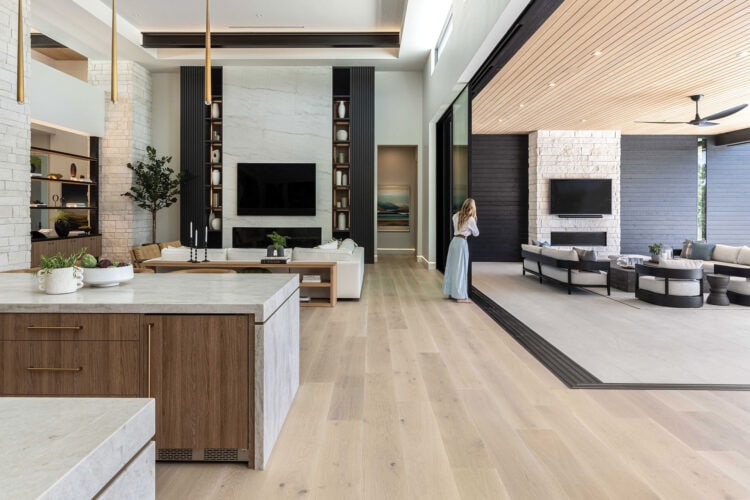
As AI and data-driven systems become an everyday part of life, there is a growing awareness of the need not to get lost in them. While technology helps us optimise, automate, and accelerate, human beings still seek comfort, presence, and emotional connection. The spaces we physically inhabit play a crucial role in maintaining that balance.
In response, architecture is increasingly shaped around human experience rather than pure efficiency – prioritising calm and a sense of belonging. This way of thinking, often linked to biophilic design, is reflected in the use of natural materials such as wood, which bring warmth, tactility, and a human scale to space.
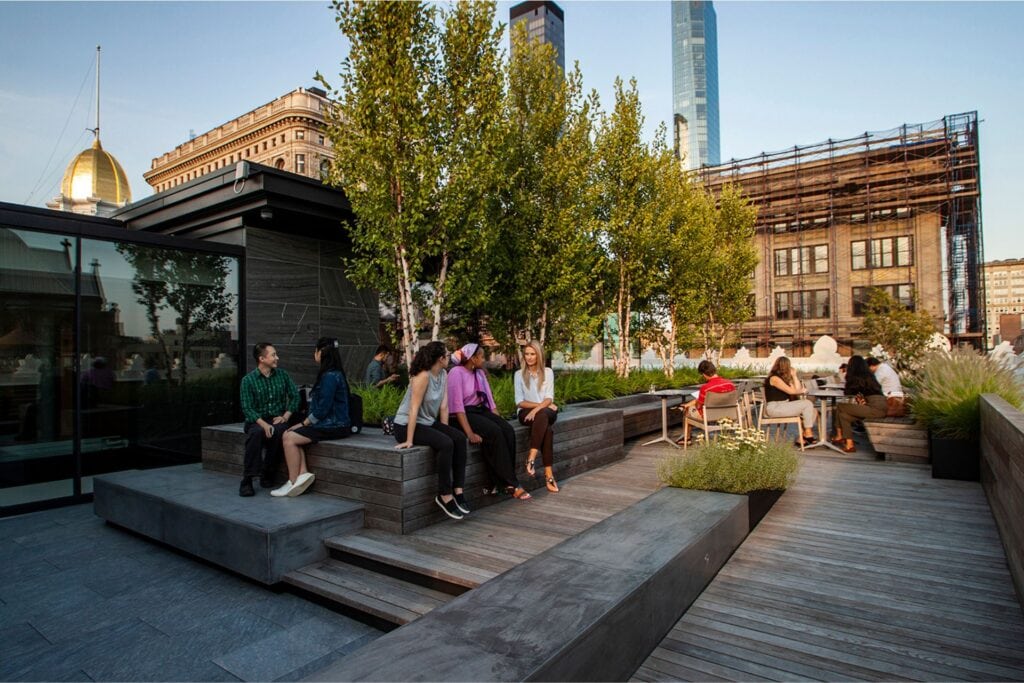
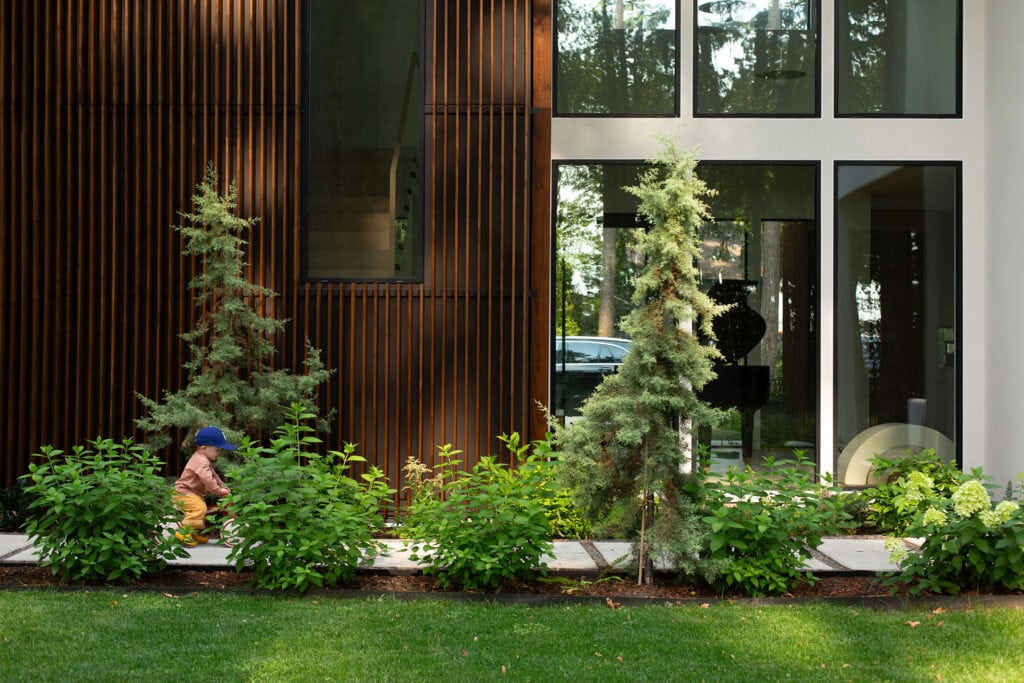
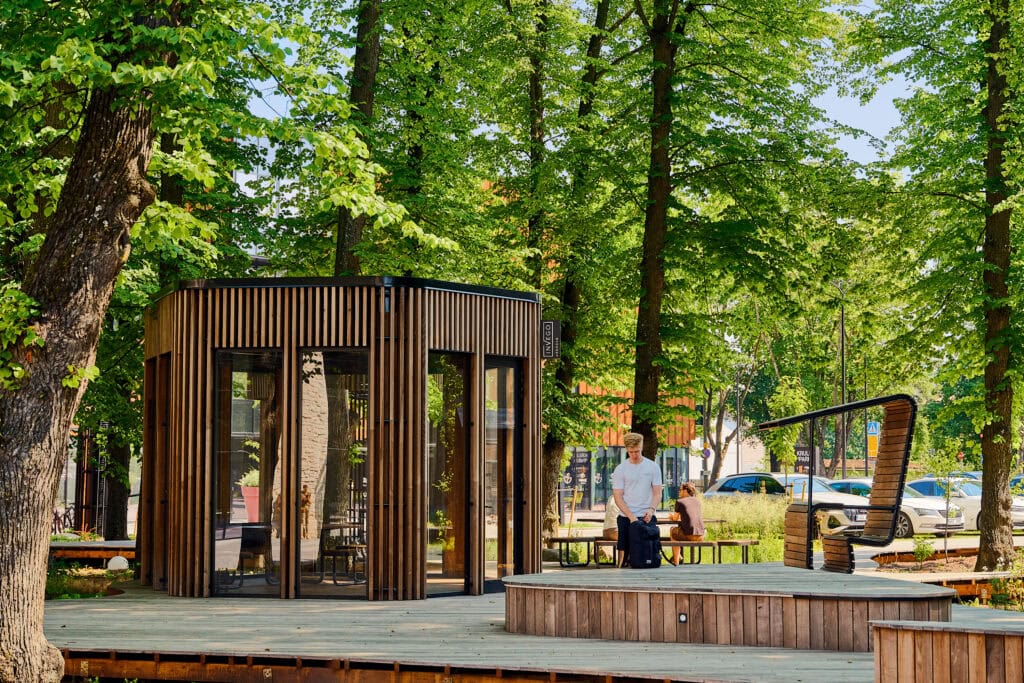
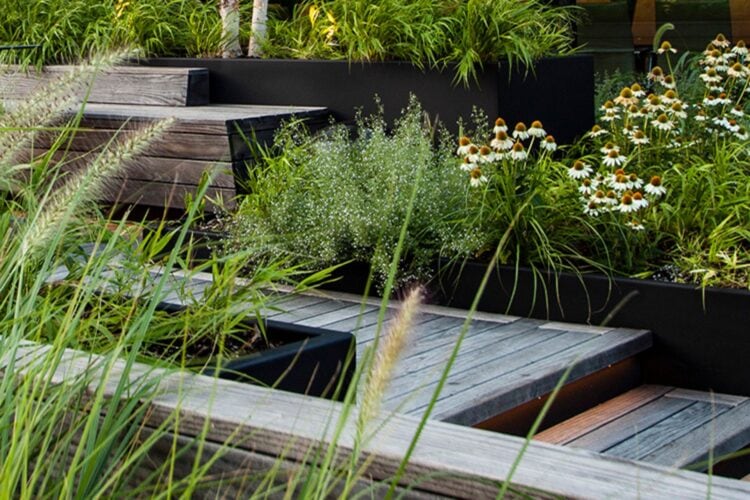
In contrast to digitally perfected environments, architects and designers are embracing honesty in materials and form. Natural variation, texture, and visible craftsmanship are increasingly valued as markers of authenticity – creating spaces that feel real, grounded, and lived-in rather than artificially flawless.
Patina, rather than being concealed, is increasingly seen as an integral part of a material’s character. Wood embodies this approach particularly well: when allowed to age naturally, it develops depth and character that reinforce a sense of authenticity – turning change into a design feature rather than a flaw.
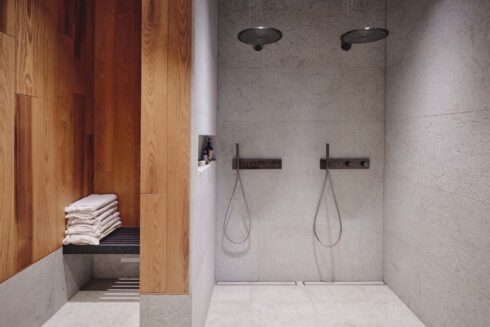
Ceramic tiles have long been the go-to choice for bathroom walls, but they aren’t the only option. If you’re looking to create a warmer, more inviting...
Wood wall panels are a timeless and versatile design element that can transform any space. Whether you’re aiming for a classic look or a bold,...


It looks like you're browsing from US. Would you like to visit our US website?
It looks like you're browsing from US. Would you like to visit our US website?