
At Thermory, the thermal modification process is adjusted according to the wood species and intended application. It reduces the wood’s moisture absorption and improves dimensional stability and biological durability. No chemicals are added during the thermal modification process.
Need help choosing the right thermowood? Talk to our team
Thermal modification at a glance

HEAT + STEAM

NO ADDED CHEMICALS DURING THERMAL MODIFICATION
35–46 HOUR CONTROLLED PROCESS

MEDIUM AND INTENSE MODIFICATION
What is thermal modification?
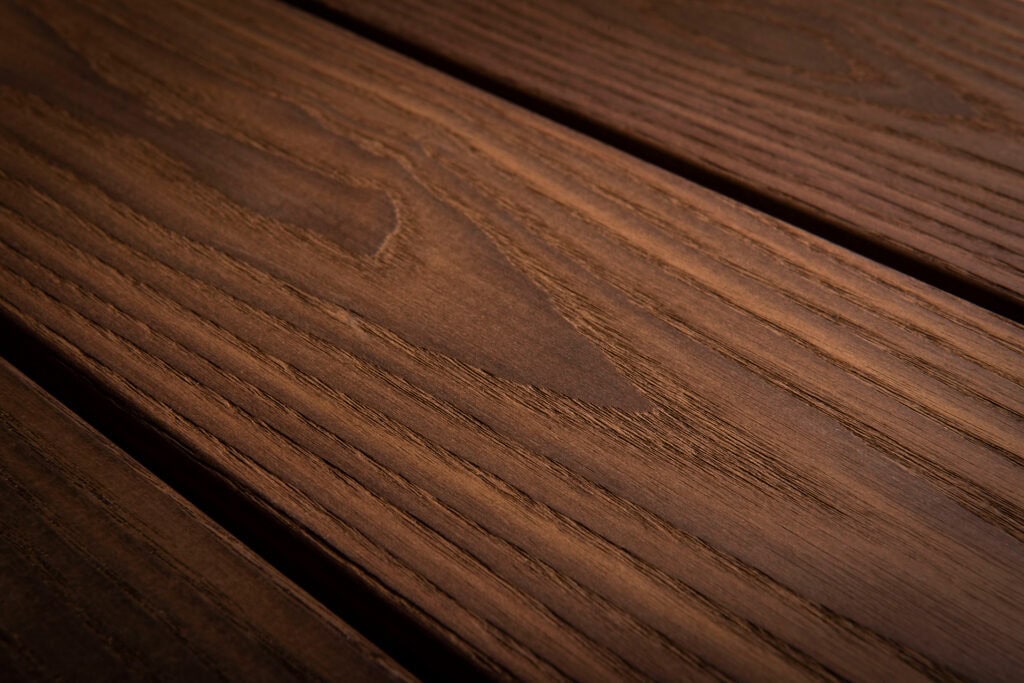
Thermal modification is a controlled process that changes the physical and chemical properties of wood by exposing it to high temperatures under carefully regulated conditions.
Unlike a surface coating or conventional chemical impregnation, thermal modification affects the wood throughout its cross-section.
Heat changes the wood’s relationship with moisture and alters compounds that contribute to biological degradation. As a result, thermally modified wood absorbs less moisture, undergoes less moisture-related movement and can achieve considerably higher biological durability than the same species in its untreated form.
The process also gives the wood a deeper and more uniform colour.
How does Thermory thermally modify wood?
Thermory adapts the process to the wood species and the performance required from the final product.
-
Controlled drying
The wood is gradually heated and its moisture content is reduced under controlled conditions.
-
Thermal modification
The temperature is raised to the level required for the particular species and application.
-
Cooling and reconditioning
After the modification stage, the wood is gradually cooled and reconditioned with moisture.
-
Quality control
Process parameters are controlled throughout the cycle to achieve consistent properties for the intended product and application.
Medium or Intense thermal modification?
Thermory uses different thermal modification levels depending on the wood species and intended application.
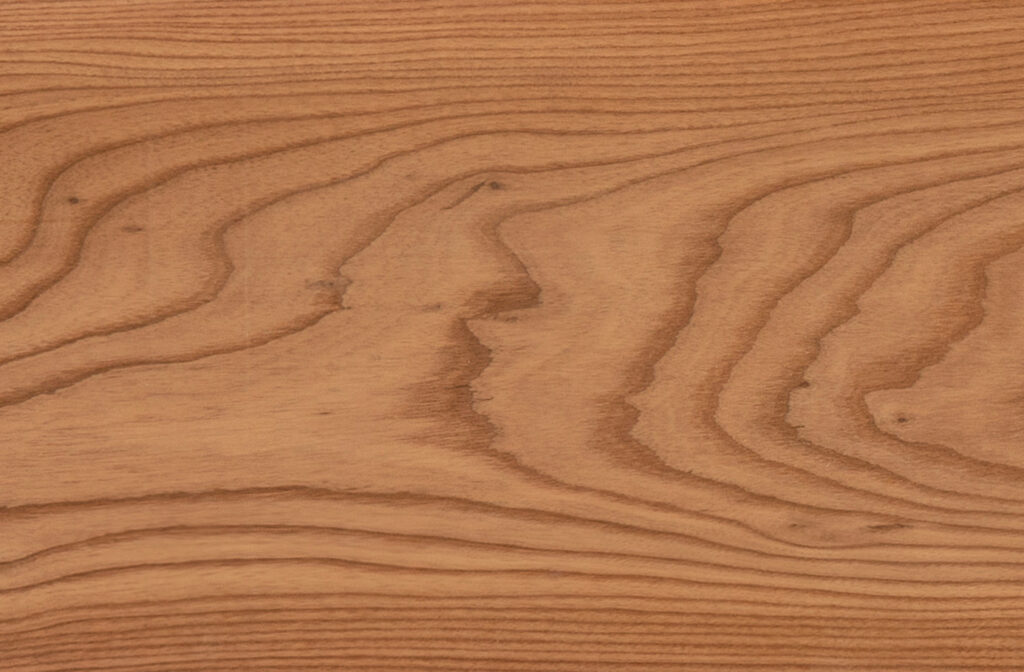
MEDIUM
≈190°C
Medium thermal modification is used for selected products intended mainly for indoor applications where improved dimensional stability, reduced moisture absorption and the characteristic thermally modified appearance are required.
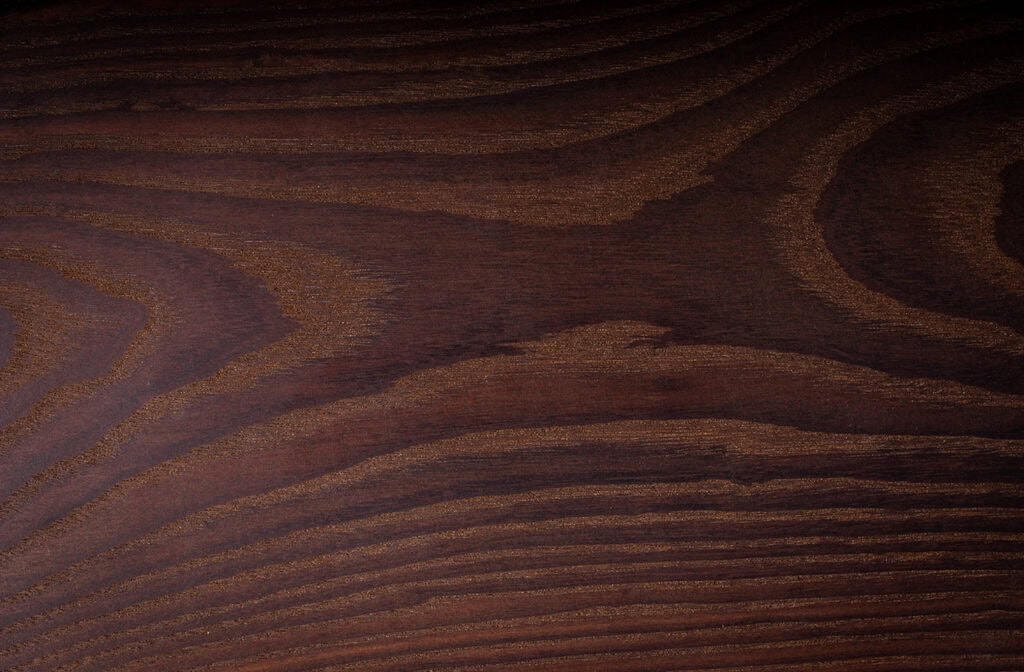
Intense
≥215°C
Intense thermal modification is used for products where increased biological durability and dimensional stability are required, including Thermory exterior cladding and decking products.
The appropriate modification level and resulting technical properties are product-specific. Always refer to the individual product datasheet, Declaration of Performance or test documentation when specifying a product.
What does thermal modification change?
Less moisture absorption
Thermally modified wood has a lower equilibrium moisture content and absorbs moisture more slowly than untreated wood.
This reduces the extent to which changing humidity causes the material to swell and shrink.
Improved dimensional stability
Because the wood reacts less strongly to changes in moisture, thermally modified boards are less prone to moisture-related movement such as swelling, shrinkage, cupping and twisting compared with the same wood species before thermal modification.
This makes thermowood particularly suitable for applications where dimensional consistency matters, including cladding, decking, interior panelling and sauna interiors.
Increased biological durability
Thermal modification changes compounds within the wood that contribute to biological degradation.
This can significantly improve resistance to decay.
However, thermal modification does not give every wood species the same durability class.
Biological durability depends on the species, modification level and product. Thermory tests relevant exterior products according to EN 350, which classifies the biological durability of wood from Class 1 to Class 5.
Product-specific durability classes and test reports are available in Thermory’s technical documentation.
A deeper colour throughout the wood
High temperatures darken the natural colour of the wood throughout its cross-section.
The resulting shade depends on the wood species and modification level.
When uncoated thermowood is used outdoors, exposure to UV radiation and weather gradually changes the surface colour towards silver-grey.
The rate and appearance of this natural weathering process depend on local conditions such as UV exposure, rain, moisture, orientation, shade and airflow. Different boards or areas of a façade or deck may therefore change colour at different rates.
This colour change is a natural surface-weathering process and does not by itself indicate loss of biological durability.
Different moisture and thermal properties
Thermal modification reduces the equilibrium moisture content of wood and can also change its density and thermal conductivity.
Exact values differ between species and products and should therefore be taken from the relevant technical datasheet or Declaration of Performance rather than applied to thermally modified wood as a whole.
Important distinctions when choosing thermowood
Thermal modification is not a surface coating
The properties of the wood are changed through heat. Oils, paints, stains and other coatings are separate surface treatments that may be added afterwards.
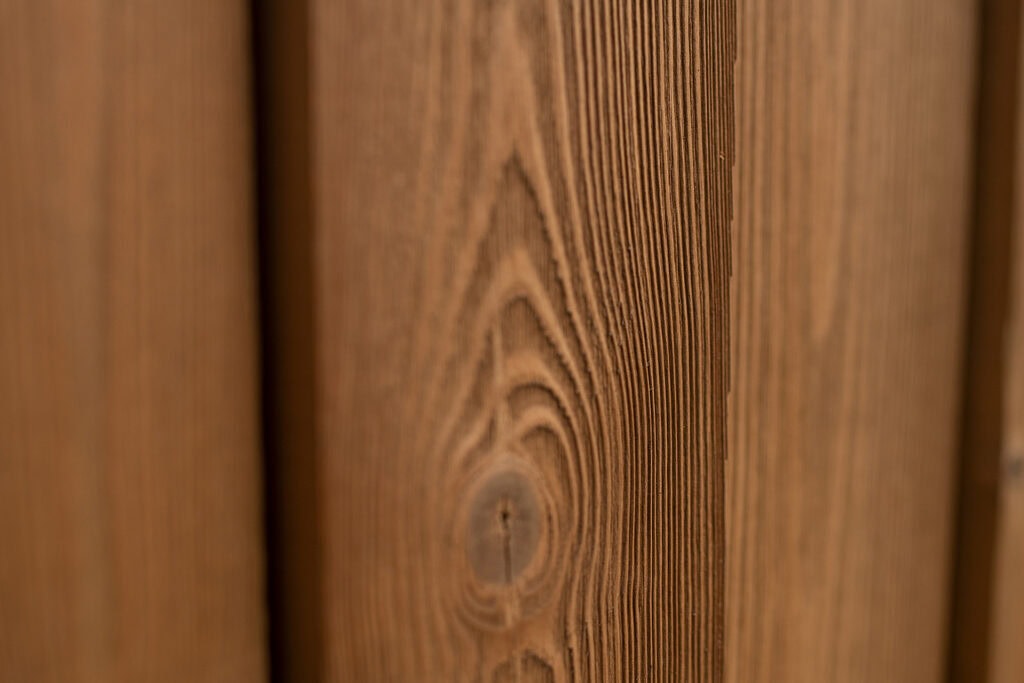
Thermally modified wood is not automatically fire-retardant
Thermal modification and fire-retardant treatment are different processes.
The reaction-to-fire classification of a product depends on the particular product and installation build-up and should be checked in its Declaration of Performance.
Where enhanced fire performance is required, Thermory also offers separately tested fire-retardant cladding solutions.
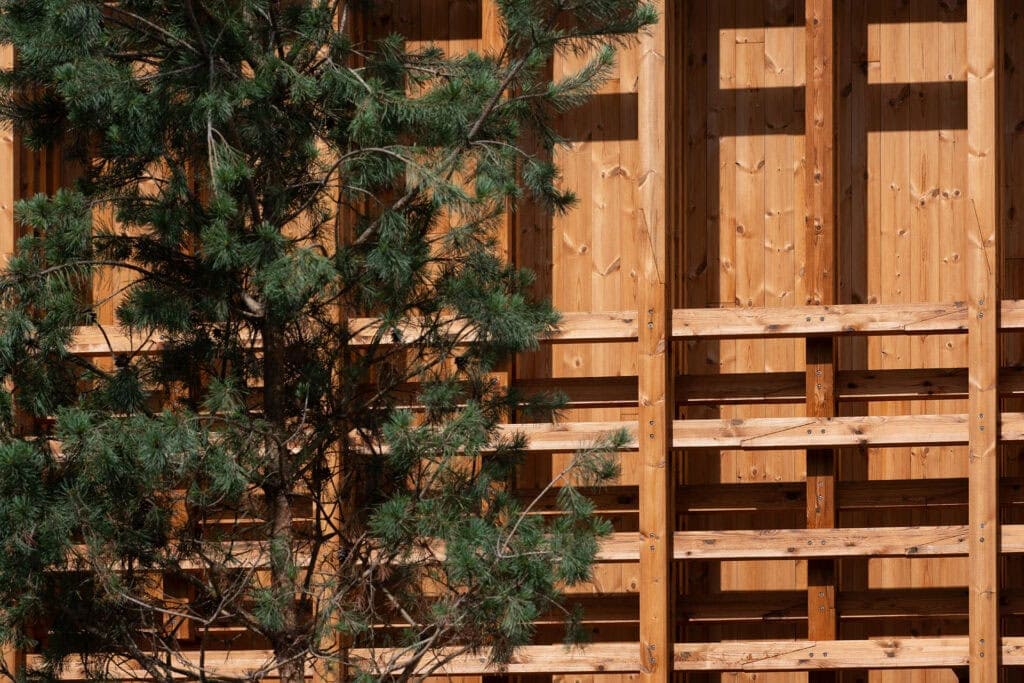
Performance is product-specific
Wood species, modification level, profile, dimensions, additional treatments and intended application all affect final product performance.
For specification purposes, always use the technical documents relating to the exact Thermory product.

Surface treatment depends on the desired appearance
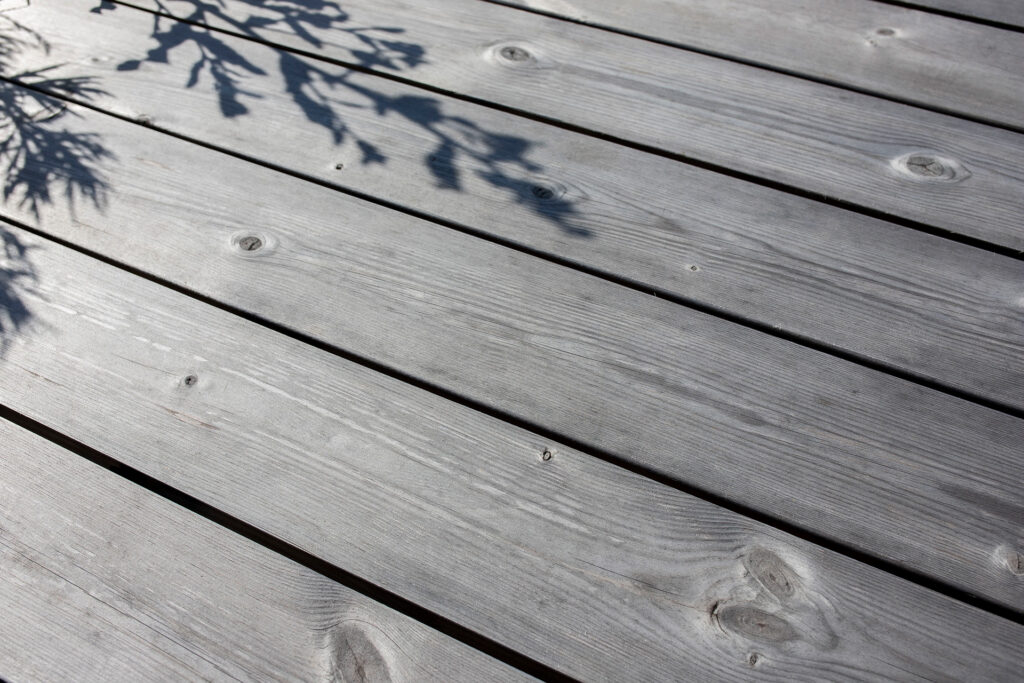
For many Thermory exterior thermowood products, surface treatment is optional. If left uncoated, the wood will weather naturally and gradually develop a silver-grey tone.
The rate and appearance of weathering depend on local conditions such as UV exposure, rain, moisture, orientation, shade and airflow. As a result, different boards or areas of a façade or deck may change colour at different rates.
If the aim is to preserve a particular colour or achieve a more controlled and consistent appearance over time, an appropriate surface finish is recommended.
Finishing and maintenance recommendations may vary by wood species, product and application. Always follow the instructions for the selected Thermory product.
Tested performance and transparent product information
Thermory supports product performance claims with product-specific technical documentation and testing.
Depending on the product, documentation includes:
Declaration of Performance and CE marking
Declarations of Performance provide product-specific information for relevant construction products, including characteristics such as reaction to fire and biological durability.

Biological durability testing
Durability classifications and test reports according to EN 350.
Technical datasheets
Datasheets provide detailed information on the individual species and product, including physical and mechanical properties where applicable.
Environmental Product Declarations
Thermory publishes third-party verified Environmental Product Declarations (EPDs) for several product groups.
EPDs provide quantified information about a product’s environmental impacts over defined life-cycle stages according to the applicable EPD methodology. They allow environmental information to be assessed using documented data rather than broad environmental claims.
Wood sourcing certifications
FSC® and PEFC certification is available for applicable Thermory products and supply chains. Certification availability should be checked for the individual product and market.
One technology, different wood species
Thermory thermally modifies a range of hardwood and softwood species.
Each species responds differently to thermal modification and offers its own combination of appearance, biological durability, dimensional stability and application possibilities.
Choose the species and product according to the required application and verified technical performance.
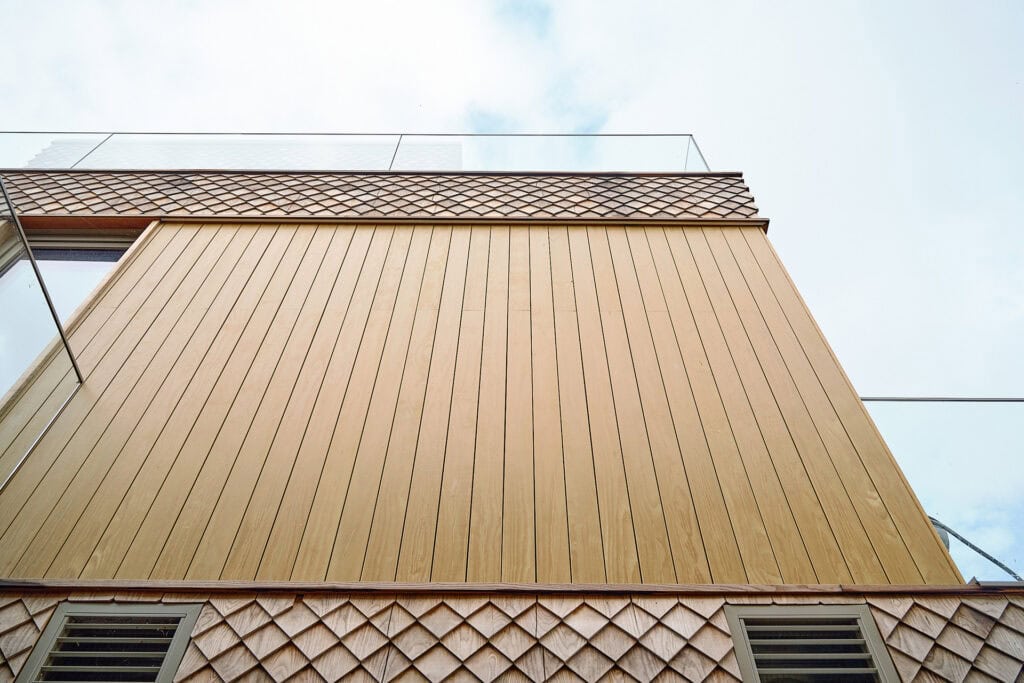
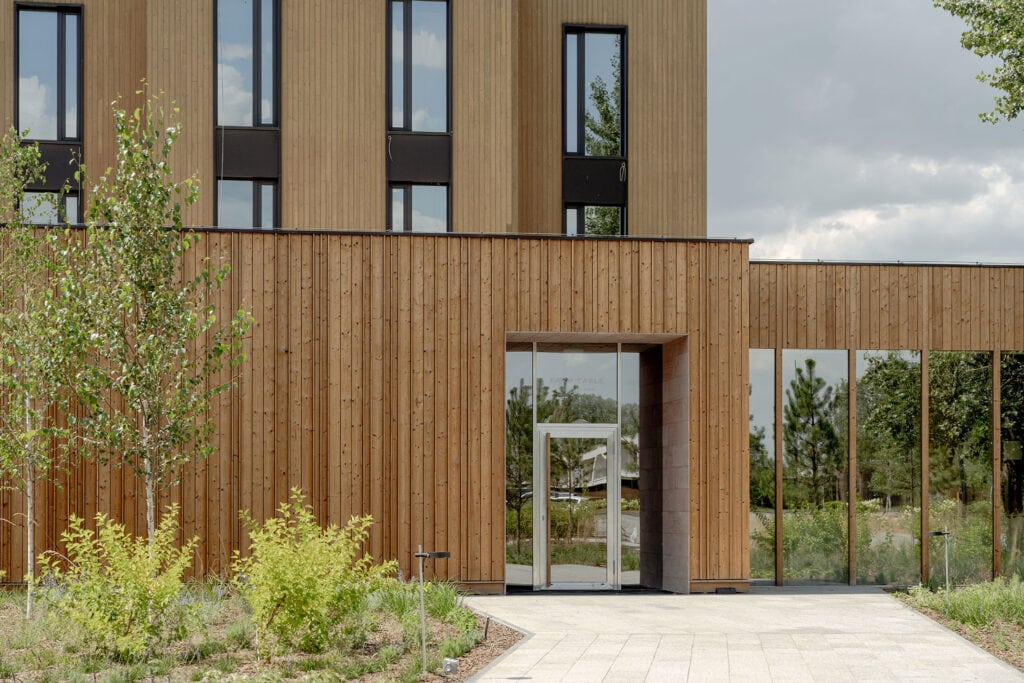
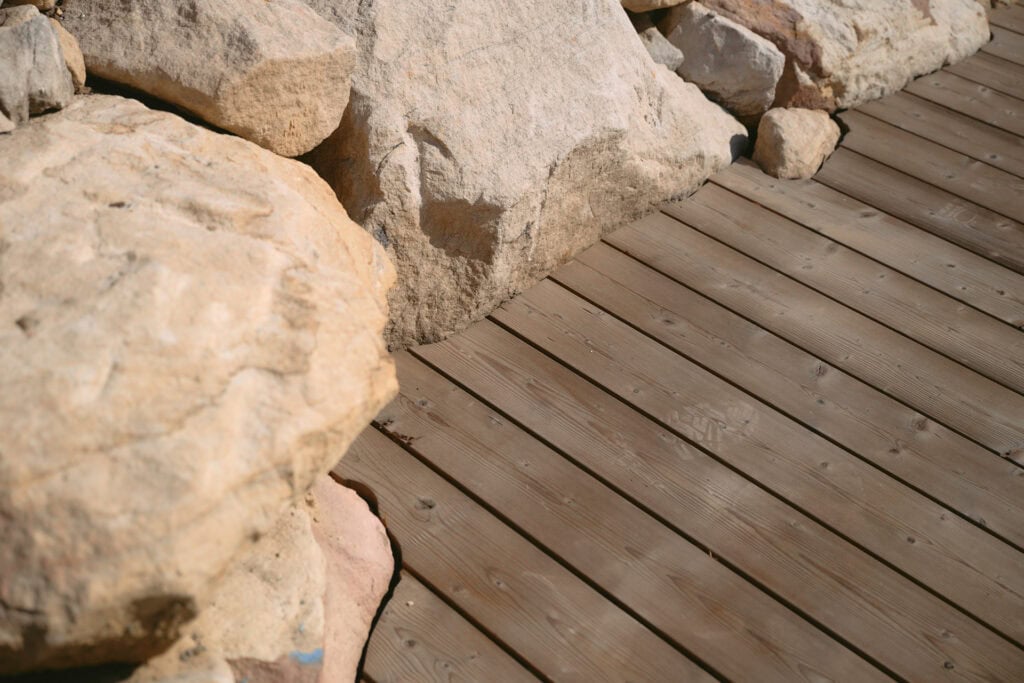
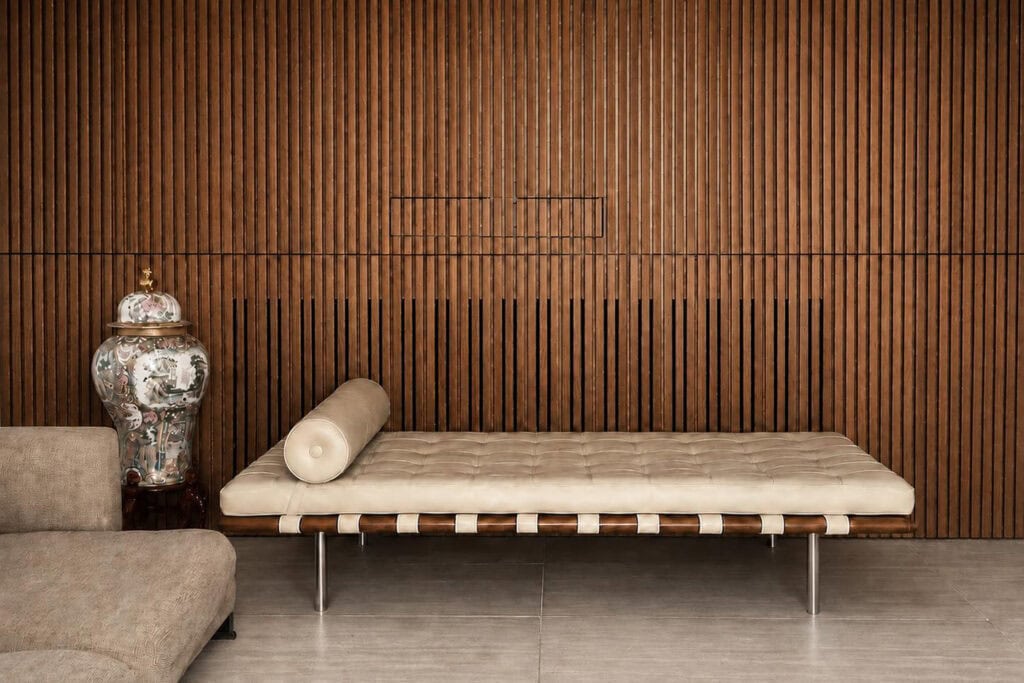
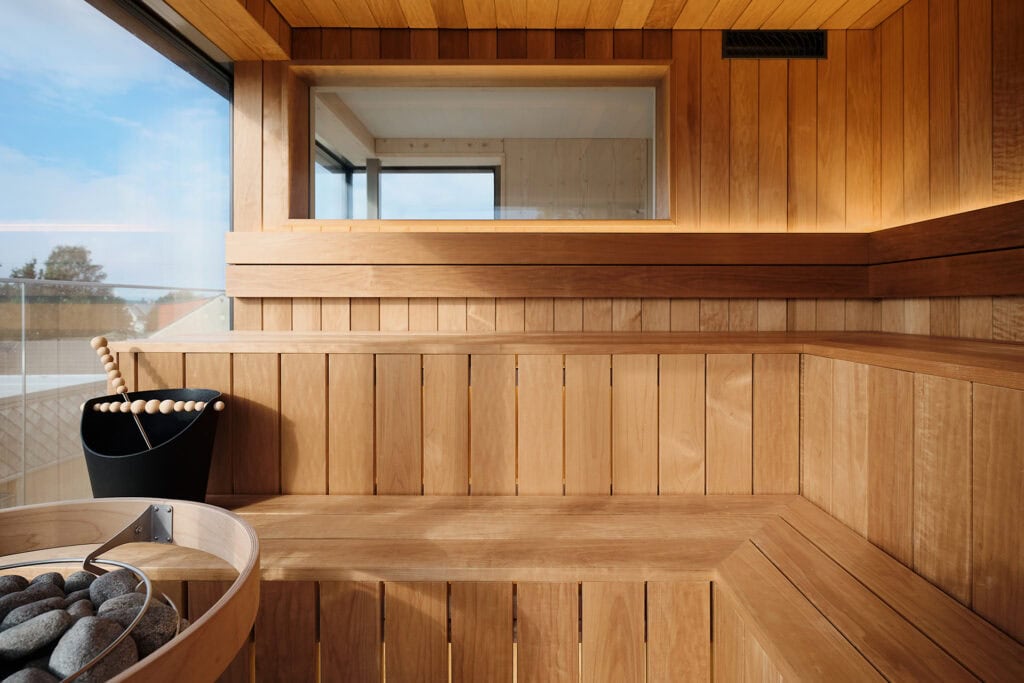
Where is Thermory thermowood used?
Frequently asked questions about thermal modification
What is thermally modified wood?
Thermally modified wood is real wood whose physical and chemical properties have been changed by controlled exposure to high temperatures.
At Thermory, the process uses heat and steam and does not add chemicals during thermal modification.
The process reduces moisture absorption and improves dimensional stability and biological durability.
Are chemicals used in Thermory’s thermal modification process?
No chemicals are added during Thermory’s thermal modification process. The process uses controlled heat and steam.
A finished Thermory product may subsequently receive a separate coating, fire-retardant treatment or other treatment, so the specification of the final product should always be checked separately.
Does thermal modification make wood more durable?
Thermal modification can significantly increase the biological durability of wood by changing its physical and chemical properties.
The resulting durability class depends on the wood species, modification level and product. Thermory publishes product-specific durability information and test reports according to EN 350.
Does thermally modified wood expand and shrink?
Yes. Thermowood remains real wood and still responds to moisture.
However, because thermal modification reduces its moisture absorption, it generally swells and shrinks less than the same species of untreated wood. This improves dimensional stability.
Does Thermory thermowood need surface treatment?
For many Thermory exterior thermowood products, surface treatment is optional.
If the wood is left uncoated outdoors, it will weather naturally and gradually develop a silver-grey tone. The rate and appearance of this change depend on conditions such as UV exposure, rain, moisture, orientation, shade and airflow.
If the aim is to preserve a particular colour or achieve a more controlled and consistent appearance over time, an appropriate surface finish is recommended.
Finishing requirements and recommendations may vary by product and wood species, so always follow the instructions for the selected Thermory product.
Why does thermally modified wood turn grey outdoors?
UV radiation and exposure to weather gradually change the surface colour of uncoated wood.
Thermally modified wood therefore develops a silver-grey surface over time when left uncoated outdoors.
The speed and appearance of weathering depend on UV exposure, rain, moisture, orientation, shade, airflow and other local conditions. Different parts of the same façade or deck may therefore change colour at different rates.
Does weathering affect the durability of thermowood?
The greying of uncoated thermowood is primarily a surface colour change caused by exposure to UV radiation and weather.
This visual change does not by itself indicate a loss of the biological durability achieved through thermal modification.
Product-specific performance and maintenance instructions should nevertheless always be followed.
Is thermally modified wood fire-resistant?
Thermal modification should not be confused with fire-retardant treatment.
Reaction-to-fire performance is product- and construction-specific and must be verified using the relevant Declaration of Performance.
Thermory also offers separately treated and tested fire-retardant cladding solutions for projects with enhanced fire-performance requirements.
What is the difference between Medium and Intense thermal modification?
Thermory’s Medium modification reaches a peak temperature of approximately 190°C and is used for selected indoor applications.
Intense modification reaches at least 215°C and is used where greater biological durability and dimensional stability are required, including exterior products.
The exact process and resulting properties depend on the wood species and product.
Is thermal modification the same as chemical impregnation?
No.
Chemical impregnation introduces preservative substances into wood. Thermal modification changes the wood itself using controlled heat and steam.
Any additional coating, fire-retardant treatment or other treatment applied after thermal modification is a separate process.
How can I verify the performance of a Thermory product?
Use the documentation for the exact product you are specifying.
Thermory provides product datasheets, durability test reports, Declarations of Performance, installation and maintenance guides and Environmental Product Declarations for applicable products.

Find the right thermowood for your project
Thermory offers thermally modified wood for exterior, interior and sauna applications across markets worldwide.
Explore the product range or contact our team for help selecting a wood species, profile and technical specification for your project.
